01 / EL SALVADOR
Chalatenango + high-altitude farms
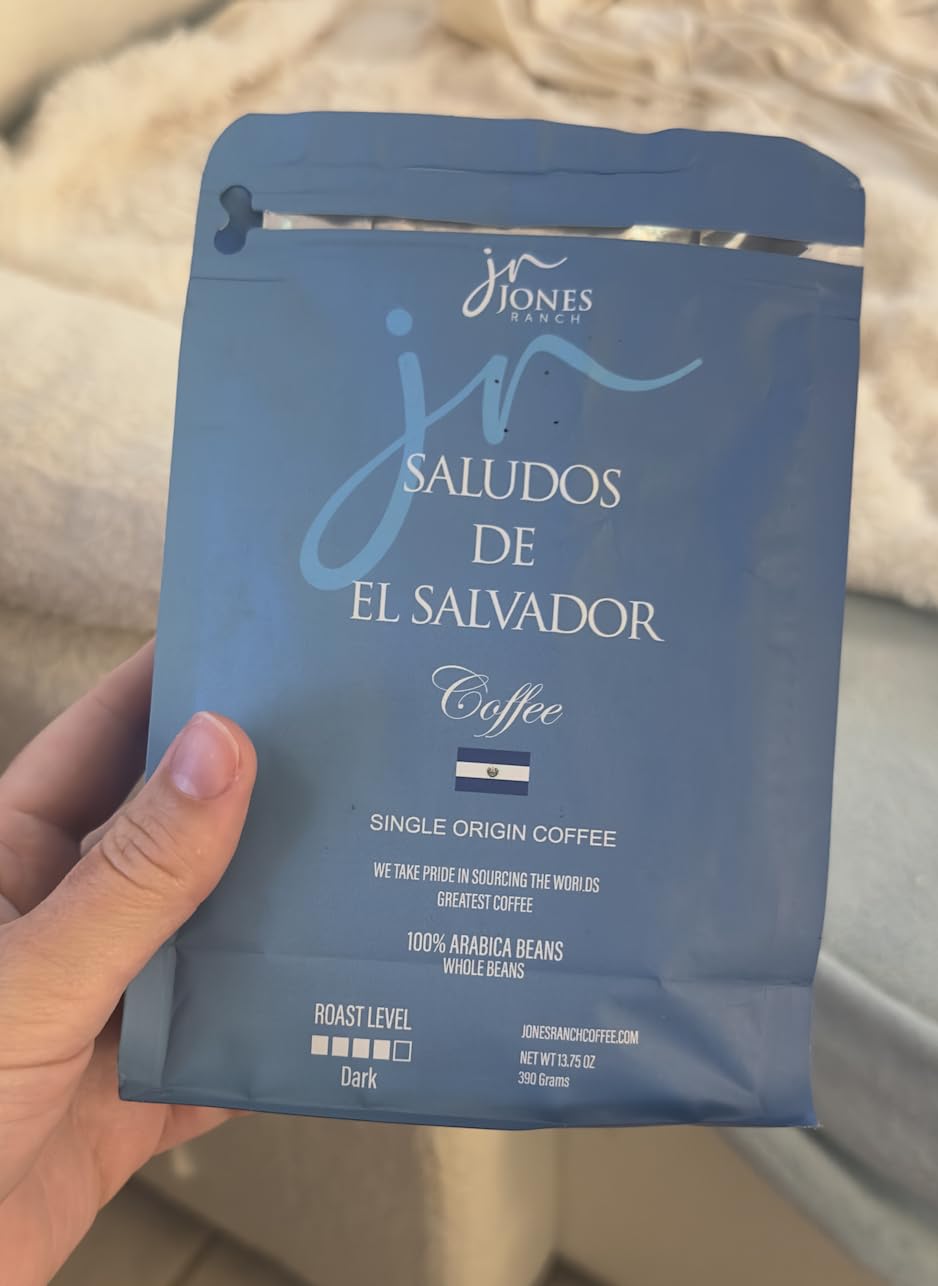
Two very different expressions from one country: Pacamara’s fruit-driven honey-process character and Saludos’ chocolate-caramel balance.
JONES RANCH COFFEE COMPANY · ORIGIN MATTERS
We don’t hide coffee behind a roast label. We show you where it came from, how it was processed, what it tastes like, and why it earned a place in our lineup.
MEET THIS COFFEE ↗CHOOSE BY THE CUP
↗
↗
↗
↗
↗
↗
Four quick questions. We’ll find your best match, then build a three-coffee tasting path around it.
THE RECEIPTS
Real ratings and reviews from people actually drinking JRCC. The coffee can make its own case from here.
JRCC ON THE MOVE
TASTE HAS AN ADDRESS
Explore the actual geography behind JRCC. Tap an origin to see what we are pouring from there.
Pins represent sourcing countries and regions, not exact farm coordinates.
01 / EL SALVADOR
Two very different expressions from one country: Pacamara’s fruit-driven honey-process character and Saludos’ chocolate-caramel balance.
02 / HONDURAS
Honduras gives us a broad canvas—from espresso-minded sweetness to regional single-origin character. Releases rotate with the coffee.
03 / COLOMBIA
Tinto de Sevilla takes the map darker: smooth chocolate, honeyed citrus, caramel and a floral edge under a dark roast.
THE JRCC STANDARD
Coffee gets more interesting the moment you stop treating it like a commodity. Region, variety, process, people and flavor aren’t footnotes. They are the coffee.
Country and region are part of the flavor—not trivia for the back label.
Washed, honey, natural: what happens after harvest changes what happens in the cup.
Different varieties carry different structure, sweetness and character. We want you to know the difference.
Coffee is agricultural before it is retail. Relationships at origin are part of quality.
Don’t just pick light, medium or dark.
Pick a coffee with a point of view.
PRODUCERS & FARM PARTNERS